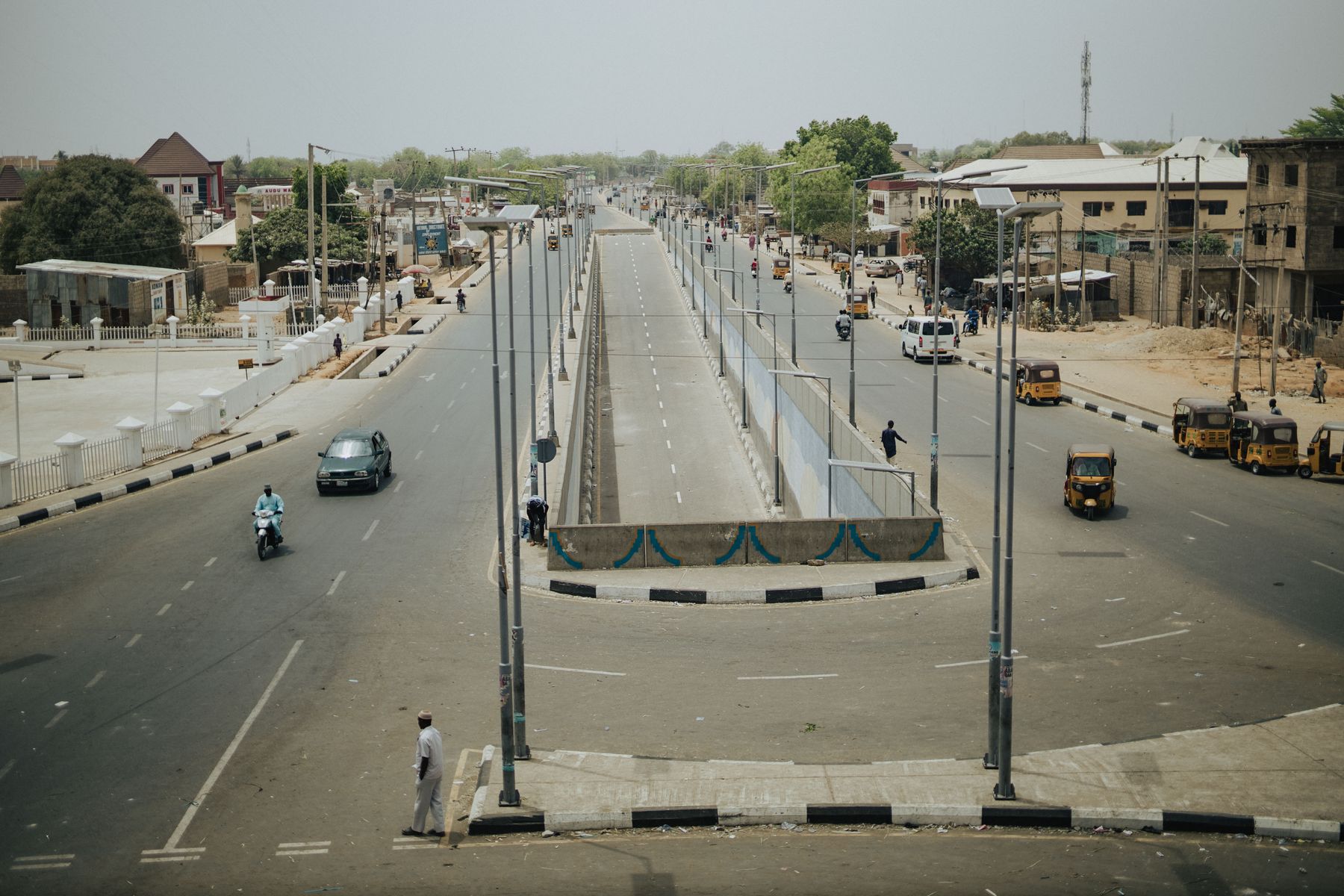
The Lekki-Epe Expressway: Your Main Artery
Almost every journey in Lekki starts on the Lekki-Epe Expressway, the dual carriageway that runs from the Lekki Toll Gate east towards Epe. The toll gate itself is a useful landmark: north of it lies Ikoyi and Victoria Island, while south of it you are firmly in Lekki. The expressway passes through several districts, each with its own character. From the toll gate, you first reach Lekki Phase 1, then proceeds through Igbo-Efon, Ajah, and onwards to Sangotedo and beyond. Traffic is heaviest on weekday mornings towards Lagos and evenings away from it, so plan drives accordingly.
For orientation, note that the expressway is divided by a central reservation, and U-turns are infrequent. Missing your turn can mean a long detour. Major junctions include the Lekki Phase 1 gate, the Admiralty Way junction, and the Ajah market area. If you are staying in Lekki Phase 1, you will likely use the first gate or the second gate (by the roundabout) to enter the estate. The expressway is also where you will find most bus stops, known locally as motor parks, for danfo and keke rides.
Lekki Phase 1: Streets and Landmarks
Lekki Phase 1 is the most established part of Lekki, bounded roughly by the expressway to the north and the Lagos Lagoon to the south. Its streets are named in phases: Admiralty Way is the main commercial spine, lined with banks, restaurants, and offices. Off Admiralty Way, you will find roads like Fola Osibo, Ologunkutere, and Bisola Durosinmi-Etti. The area is walkable in parts, but many visitors prefer to take keke napep (tricycles) for short hops. Landmarks include the Lekki Phase 1 Roundabout, the Admiralty Way Shopping Plaza, and the Lekki Coliseum on Bisola Durosinmi-Etti.
Accommodation in Lekki Phase 1 ranges from budget guesthouses to mid-range hotels, with rooms typically between ₦25,000 and ₦80,000 per night, depending on facilities. The area is safe and well-lit, with a strong expatriate and professional presence. If you want to be close to restaurants and nightlife, aim for streets off Admiralty Way. For quieter stays, look towards the lagoon side, but note that some roads flood during heavy rains in June to September. I would book a hotel in Lekki Phase 1 for a first visit because it is central and has the most amenities.
Ajah and Sangotedo: Markets and Transport Hubs
Ajah is a bustling district centred around the Ajah Market and the Ajah Bus Stop on the expressway. It is a major transport hub, with buses to Lagos Island, Ikorodu, and Epe. The area is densely populated and can feel chaotic, but it offers cheaper accommodation and a more local experience. Key landmarks include the Ajah Roundabout, the Ecobank Ajah branch, and the Lagos State University (LASU) campus nearby in Ojo. If you are on a tight budget, Ajah has guesthouses from around ₦15,000 per night, but standards vary, so inspect the room before paying.
Sangotedo, further east, is home to the Novare Lekki Mall, a large shopping centre with a cinema, supermarkets, and international brands. It is a useful landmark for drivers, located just off the expressway. The area around the mall has several hotels, including some mid-range options, with rooms from ₦30,000 to ₦60,000. Sangotedo is quieter than Ajah and convenient if you have a car, but without one you may feel isolated. I would skip Ajah for a leisure stay unless you need to be near the bus station, and instead choose Sangotedo if you want mall access and easier parking.
Further East: Ibeju-Lekki and the Coast
Beyond Sangotedo, the expressway continues to Ibeju-Lekki, an area undergoing rapid development. Landmarks here include the Lekki Free Trade Zone, the Dangote Refinery, and the proposed Lekki Deep Sea Port. For visitors, the main draw is the coastline: Eleko Beach and Okunda Beach are popular spots for weekend getaways. Eleko Beach is about a 30-minute drive from Sangotedo and charges a small entry fee. The beach has basic facilities and is busiest on Sundays. Accommodation in Ibeju-Lekki is limited to a few resorts and guesthouses, with prices from ₦40,000 to ₦100,000 per night.
If you plan to visit the beaches, stay in Sangotedo or Lekki Phase 1 and drive down for the day. The roads to the beaches are mostly tarred but can be bumpy in parts. Best months for beach visits are November to February, when the weather is drier and cooler. Avoid the rainy season (June to September) as some roads become impassable. I would book a hotel in Sangotedo for beach access, as it balances proximity with comfort. Skip the beach on public holidays unless you enjoy crowds, and always arrange your return transport in advance as ride-hailing apps can be unreliable in remote areas.
Related articles
Questions, answered
How do I get around Lekki without a car?
Use ride-hailing apps like Bolt and Uber, which are widely available. For short trips, keke napep (tricycles) are common and cheap. Danfo buses run along the expressway but can be crowded. Agree on fares before entering.
Which area of Lekki is best for first-time visitors?
Lekki Phase 1 is the most convenient, with hotels, restaurants, and banks within walking distance. It is safe and central. For beach access, Sangotedo is a good alternative, though you will need transport.
What is the best time of year to visit Lekki?
November to February is ideal, with less rain and cooler temperatures. The rainy season from June to September brings flooding on some roads, which can disrupt travel. December is festive but crowded and prices rise.
Are there beaches in Lekki?
Yes, Eleko Beach and Okunda Beach are popular. Eleko is about a 30-minute drive from Sangotedo and has basic facilities. Entry fees apply. Avoid visiting during public holidays if you dislike crowds.
What should I budget for a hotel in Lekki?
Expect to pay between ₦25,000 and ₦80,000 per night in Lekki Phase 1 for a mid-range hotel. Budget options in Ajah start around ₦15,000, while resorts near the beach can cost ₦40,000 to ₦100,000.
Is Lekki safe for tourists?
Lekki is generally safe, with a visible security presence in Lekki Phase 1. Avoid walking alone at night in less developed areas. Keep valuables secure and use reputable transport. Check local advice before travelling.
What landmarks help with orientation in Lekki?
The Lekki Toll Gate marks the start of Lekki. Admiralty Way is the main road in Lekki Phase 1. Novare Lekki Mall in Sangotedo is a major shopping centre. The Ajah Market and bus stop are key transport hubs.
How far is Lekki from Lagos airport?
Murtala Muhammed International Airport is about 40 to 60 minutes from Lekki Phase 1, depending on traffic. The drive can take longer during rush hour. Arrange a transfer in advance.
Doing good is the business: every booking through Stay Lekki funds one verified tonne of carbon removal — same room, same price, no markup.
Start Your Search