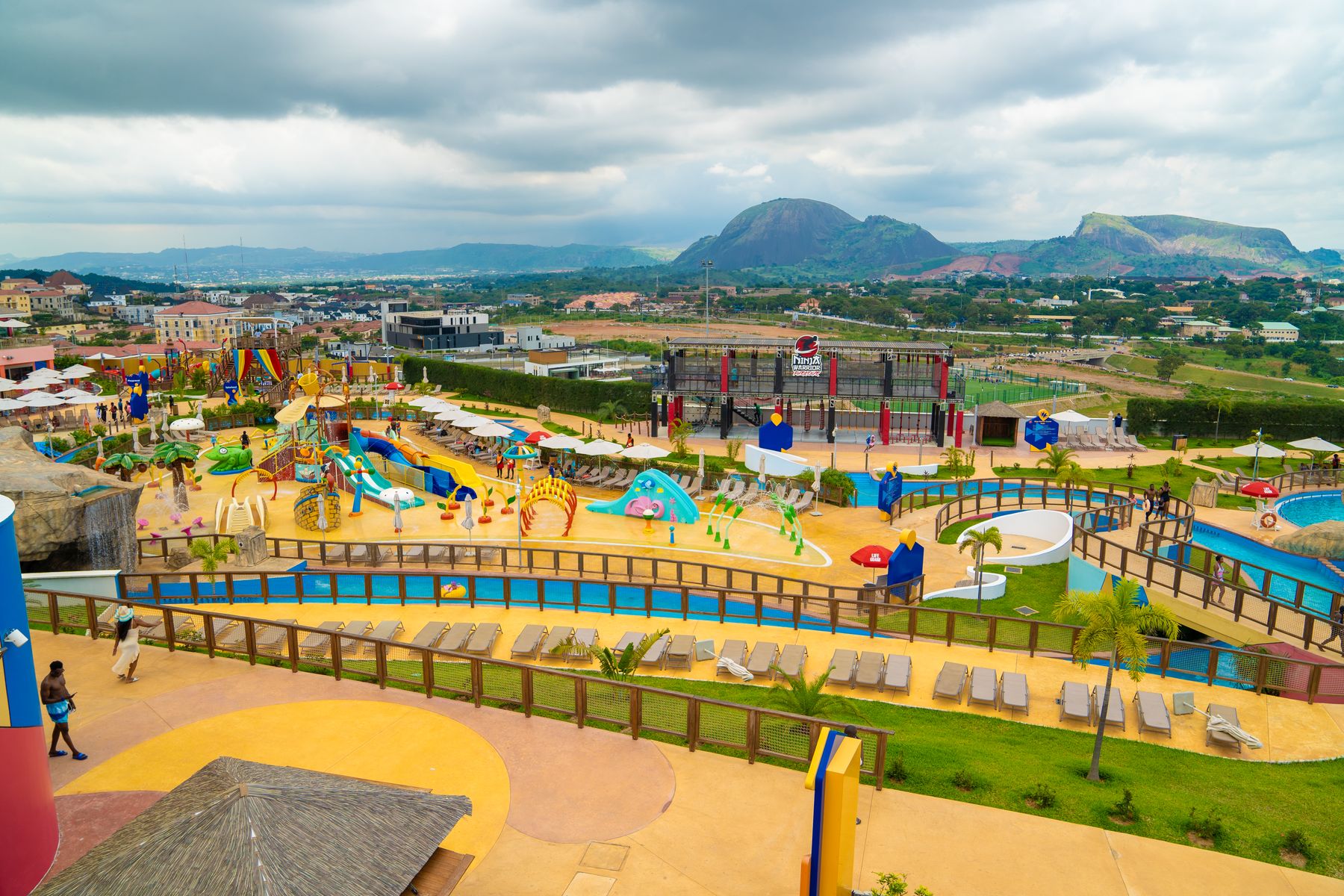
Work the Day Around 11am to 4pm
Lekki heat peaks between roughly 11am and 4pm, and the humidity off the lagoon makes it feel heavier than the thermometer suggests. Plan outdoor movement for 6.30am to 10am and again after 4.30pm. Mornings are the better half: the Lekki-Ikoyi Link Bridge walk and the Lekki Conservation Centre canopy walkway are far more comfortable before the sun is high, and the Centre's gate on the Lekki-Epe Expressway is a short drive from most Ikate and Phase 1 hotels.
Between those windows, do not fight the sun. Move indoors or into deep shade: a long lunch, a mall, a spa, a hotel pool under an umbrella. Air conditioning in Lekki venues is generally strong, and the difference between a 1pm stroll and a 5pm one is the difference between a ruined afternoon and a good evening. Book a hotel with a shaded pool or a covered terrace so the middle of the day has somewhere to go that is not your room.
Shade, Water and Short Drives
The Lekki Conservation Centre is the obvious green escape, but the canopy walkway is exposed in patches and the treetop sections get hot by mid-morning. Go at opening, carry more water than you think you need, and wear shoes with grip rather than sandals. Further along the Lekki-Epe Expressway, the Lekki Leisure Lake area near Okunda has waterfront seating, though shade is limited and afternoons are fierce there. Neither is a place to arrive at noon.
For water without a long transfer, the beach clubs and hotel pools around Ikate and the Admiralty Way axis are the practical choice; the drive from Phase 1 to the Lekki toll gate side is often 15 to 25 minutes outside peak traffic and closer to 45 in it. If you want a proper beach day at Landmark or Oniru, leave by 8am and come back after 4pm. Traffic on the expressway is the real constraint, not distance.
Where to Base Yourself
Base in Ikate, Phase 1 or the Admiralty Way corridor if you want walkable restaurants and short hops to the Conservation Centre, the bridge and the malls. Hotels here range from budget guesthouses to mid-range and upscale options, and the practical difference is pool shade, backup power and parking rather than star ratings. A hotel with a covered outdoor bar or a pool with mature trees will earn its rate between noon and four.
I would book a mid-range hotel in Ikate with a shaded pool and reliable backup power rather than a cheaper room further down the Lekki-Epe Expressway, because the transfer time at peak hours eats the saving. If your trip is mostly beach-focused, the Lekki Phase 1 side near the toll gate shortens the run to Landmark and Oniru. Check whether the pool is overlooked by a wall or open to the sun; it matters more than the room size in this climate.
Best Months and What to Skip
November to February is the driest and most manageable stretch, with the harmattan haze softening the sun; March to May builds heat and humidity before the June to September rains, when downpours are short but the roads around Ikate and Admiralty Way can flood briefly. Whatever the month, skip the midday canopy walk, skip any plan that depends on walking between venues on the expressway, and skip open-air markets in the early afternoon.
Also skip the temptation to squeeze three outdoor stops into one morning. Two is realistic: the Conservation Centre at opening and a shaded waterfront or pool in the late afternoon, with a long indoor lunch between. If you are visiting the Lekki-Ikoyi Link Bridge for photos, late afternoon light is better and the walk is cooler. Keep a driver or ride-hailing app on standby; waiting outside in the heat is the part travellers underestimate most.
Related articles
Questions, answered
What time of day is coolest in Lekki?
Early morning, from about 6.30am to 10am, is the coolest and calmest window. After 4.30pm is the second-best. Avoid planning outdoor stops between 11am and 4pm, when humidity off the lagoon makes the heat feel heavier.
How long does it take to drive from Lekki Phase 1 to the Conservation Centre?
Outside peak traffic, allow 20 to 30 minutes from Phase 1 along the Lekki-Epe Expressway. In peak traffic it can double. Go early, since the canopy walkway is more comfortable before mid-morning and the gate area gets busy later.
Which months are best for a Lekki trip?
November to February is driest and most comfortable, with harmattan haze softening the sun. March to May is hot and humid, and the June to September rains bring short heavy downpours that can briefly flood roads around Ikate and Admiralty Way.
Should I stay in Ikate or further along the Lekki-Epe Expressway?
Ikate and the Admiralty Way corridor put restaurants, malls and the Conservation Centre within short drives. Further out is cheaper but the expressway traffic at peak hours costs you time. For a short trip, I would pay for the central Ikate location.
Do Lekki hotels have pools, and does shade matter?
Many mid-range and upscale Lekki hotels have pools, but check whether the pool area has mature trees or a covered terrace. Between noon and 4pm, a shaded pool is the most useful hotel feature, more so than room size or a gym.
What should I carry for the canopy walkway?
Carry at least a litre of water per person, wear shoes with grip rather than sandals, and take a hat. The treetop sections are exposed in patches. Go at opening rather than mid-morning, and keep the walk to the cooler part of the day.
Is it worth going to the beach in the middle of the day?
Not really. Leave by 8am for Landmark or Oniru and return after 4pm. The expressway traffic is the constraint, and midday sun on open sand is punishing. Afternoon and early evening are far more pleasant.
How do I get around Lekki without waiting in the heat?
Keep a ride-hailing app ready and avoid standing on the expressway to flag a ride. Where possible, pre-book a driver for the day. Short hops around Ikate are usually quick, but waiting outside between rides is the part travellers underestimate most.
Doing good is the business: every booking through Stay Lekki funds one verified tonne of carbon removal — same room, same price, no markup.
Start Your Search